Sandy gets some of its drinking water from the Colorado River Basin, and a prolonged drought on that river could eventually cut the city's supply.
A Salt Lake Tribune investigation published Oct. 20 details how a network of tunnels, pipelines and reservoirs diverts Colorado River water more than 100 miles west to Wasatch Front cities. Sandy is one of them.
The Provo River Water Users Association diverts water from the Duchesne River to the Provo River, serving farms in the Heber and Kamas valleys and cities including Sandy and Orem, the Tribune reported. That diversion runs through the Duchesne Tunnel, which averages about 28,200 acre-feet per year, according to a Utah State University fact sheet on transbasin diversions.
A separate, larger system called the Central Utah Project (CUP) also moves Colorado River water to the Wasatch Front. Together, all transbasin diversions account for 26% of the water consumed in Salt Lake, Utah and Wasatch counties, according to Utah State University. The CUP serves between 1.5 million and 2 million people depending on the year, Jared Hansen, manager of the Central Utah Project, told the Tribune.
A dry year strains the pipeline
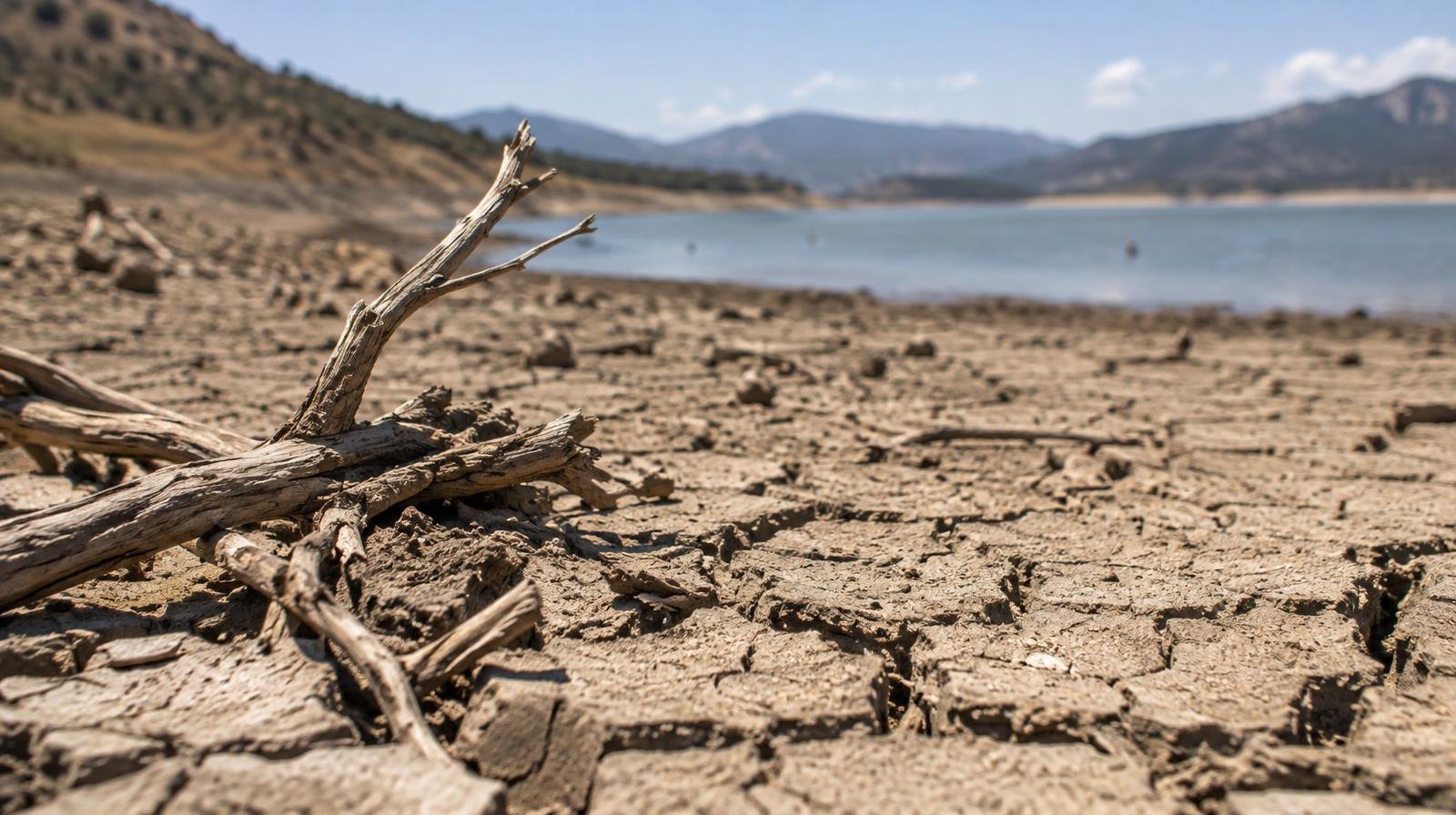
The Colorado River Basin has been in drought for more than two decades, according to the Tribune. During the 2025-26 winter, an abnormally warm season produced a historically small snowpack. Only about 37,000 acre-feet of water reached Strawberry Reservoir through the CUP's collection system, compared with roughly 100,000 acre-feet in a typical year, the Tribune reported.
Troy Ovard, area manager with the Central Utah Water Conservancy District, called it the worst year of his 36-year career on the project, the Tribune reported. Strawberry Reservoir remains about three-quarters full because the district banked water in prior years, but that cushion faces a long-term threat.
Why Sandy should pay attention
The CUP holds a 1964 water right, making it a relatively junior user on the Colorado River system, according to both the Tribune and the USU fact sheet. If the seven states sharing the river impose curtailments, junior rights lose priority first.
"If the Central Utah Project is curtailed, it would be hugely disruptive, if not catastrophic, to the Wasatch Front," Amy Haas, director of the Colorado River Authority of Utah, said at the Colorado River Water Users Association conference last year, the Tribune reported.
Ovard told the Tribune the district has always received its full water right. No curtailment has happened yet, but he called it "new territory" that the system has never faced.
The Metropolitan Water District of Salt Lake City, which manages the federal Provo River Project, is headquartered in Sandy at 3430 East Danish Road, according to the U.S. Bureau of Reclamation.
Seven states continue to negotiate the Colorado River's future allocations. No curtailment timeline has been set, according to the Tribune's reporting.