Smoke spotted along Interstate 80 in Parleys Canyon on Sunday, Oct. 18, was not a wildfire. Sandy residents who see haze drifting from the canyons do not need to call 911.
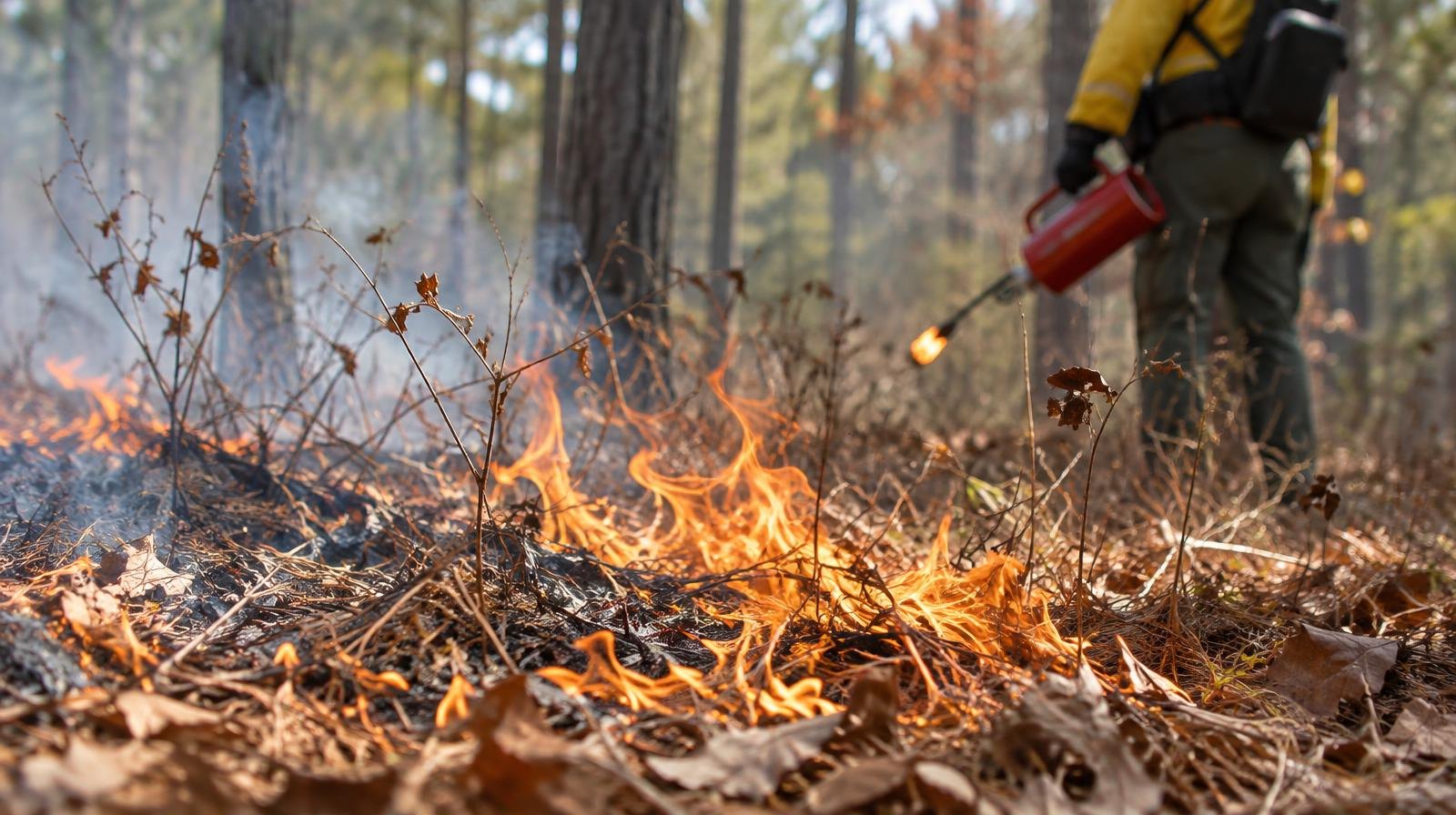
The U.S. Forest Service began prescribed burns that day in Parleys, Lambs and Millcreek canyons, according to the Salt Lake Tribune. Federal foresters are burning about 114 acres of overgrown vegetation across the three sites. The burns are scheduled to continue through Tuesday, Oct. 20, and could last longer depending on weather.
The fires are controlled.
Unified Fire Authority confirmed the burns on Instagram on Oct. 18. "These fires are under control and will be watched heavily by Federal Foresters," the agency wrote.
The Forest Service is asking residents not to report the smoke. Firefighters remain on scene whenever flames are burning and patrol the areas after burning is complete, ABC4 reported.
The largest burn covers about 64 acres on the south side of Lambs Canyon Road. Another 25 acres are being burned along Millcreek Canyon Road between the winter gate and Big Water Trailhead. A third 25-acre burn is south of I-80 near Parleys Summit and Summit Park.
Some roads and trails near the burn areas may be closed for several days. Warning signs are posted in affected areas, and updates are being shared on the Uinta-Wasatch-Cache National Forests' Facebook page.
The goal is to clear dead underbrush and overgrown vegetation that could fuel a future wildfire, the Forest Service said in a news release before the burns began. Stuart Bedke, a zone fuels specialist for the Salt Lake Ranger District, explained the strategy in a Forest Service video about two years ago: thinning problem spots in the canyons gives firefighters more options to stop a wildfire before it spreads through an entire canyon, KSL reported.
The work comes during one of Utah's worst fire seasons on record. University of Utah researchers found that forest and woodland acres lost to fire this year exceeded any other year in modern history, according to KSL. Most of those fires hit central and southern Utah, but Phil Dennison, a University of Utah professor who led the research, said in August the risk could shift to higher elevations, including the Wasatch, as drought conditions persist.
The U.S. Forest Service's Salt Lake Ranger District and the Utah Division of Forestry, Fire and State Lands are conducting the burns. If smoke drifts onto roadways, drivers should slow down and turn on headlights.