Sandy resident Clint Okerlund, a freshman Republican state representative, faces Democrat Iva Williams for Utah House District 42 on Nov. 3.
The district covers parts of Sandy, Draper and Cottonwood Heights. Water conservation, grocery taxes and cost of living dominate the race, according to a Salt Lake Tribune voter guide published Monday, Oct. 12.
Okerlund, the chief financial officer for a start-up biotech laboratory in Sandy, introduced HB328 during the 2026 legislative session. The bill would have banned overhead spray irrigation on decorative turf at new commercial, institutional and multifamily developments in the Great Salt Lake drainage. It passed the full House and cleared a Senate committee but ran out of time before a final Senate vote.
Okerlund has pledged to reintroduce the bill if re-elected, calling it "an easy lift that will have a noticeable impact on water levels in the Great Salt Lake." The bill would exempt single-family homes, agricultural land, schools and government grounds, according to a Grow the Flow Utah legislative update.
Williams, a Salesforce administrator at MasterControl, said she wants every legislative decision to start with one question: what a bill does to the state's water. Her platform calls for rewarding farmers who voluntarily lease water or upgrade irrigation, helping families replace lawns and requiring public hearings before Utah signs any Colorado River deal.
Grocery tax and cost of living
The candidates split on how to ease cost-of-living pressure.
Williams wants to end Utah's sales tax on groceries. Utah residents pay a 3% statewide grocery tax, with the state's portion at 1.75%, according to Kiplinger's 2026 tax guide. A ballot measure to eliminate the state portion failed in recent years. Williams said a basic need should not be taxed and that the grocery tax hits those who can least afford it hardest.
Okerlund's affordability approach focuses on keeping taxes low on property, income and Social Security, and on housing and permitting policies that address supply. Williams said she would keep zoning decisions local and reward cities that speed up permitting.
AI regulation and bill limits
Williams named AI regulation as a top priority, saying companies should not be allowed to deploy technology that could harm children, workers or society without safety testing and accountability.
Okerlund said he would continue pushing to limit the number of bills each legislator can introduce per session.
Constitutional amendments
The two candidates split on both constitutional amendments on the Nov. 3 ballot. Okerlund supports Amendment A, which would move publication of ballot text from newspapers to two state websites, and Amendment B, which would require 60% voter approval for citizen-proposed tax increases.
Williams opposes both.
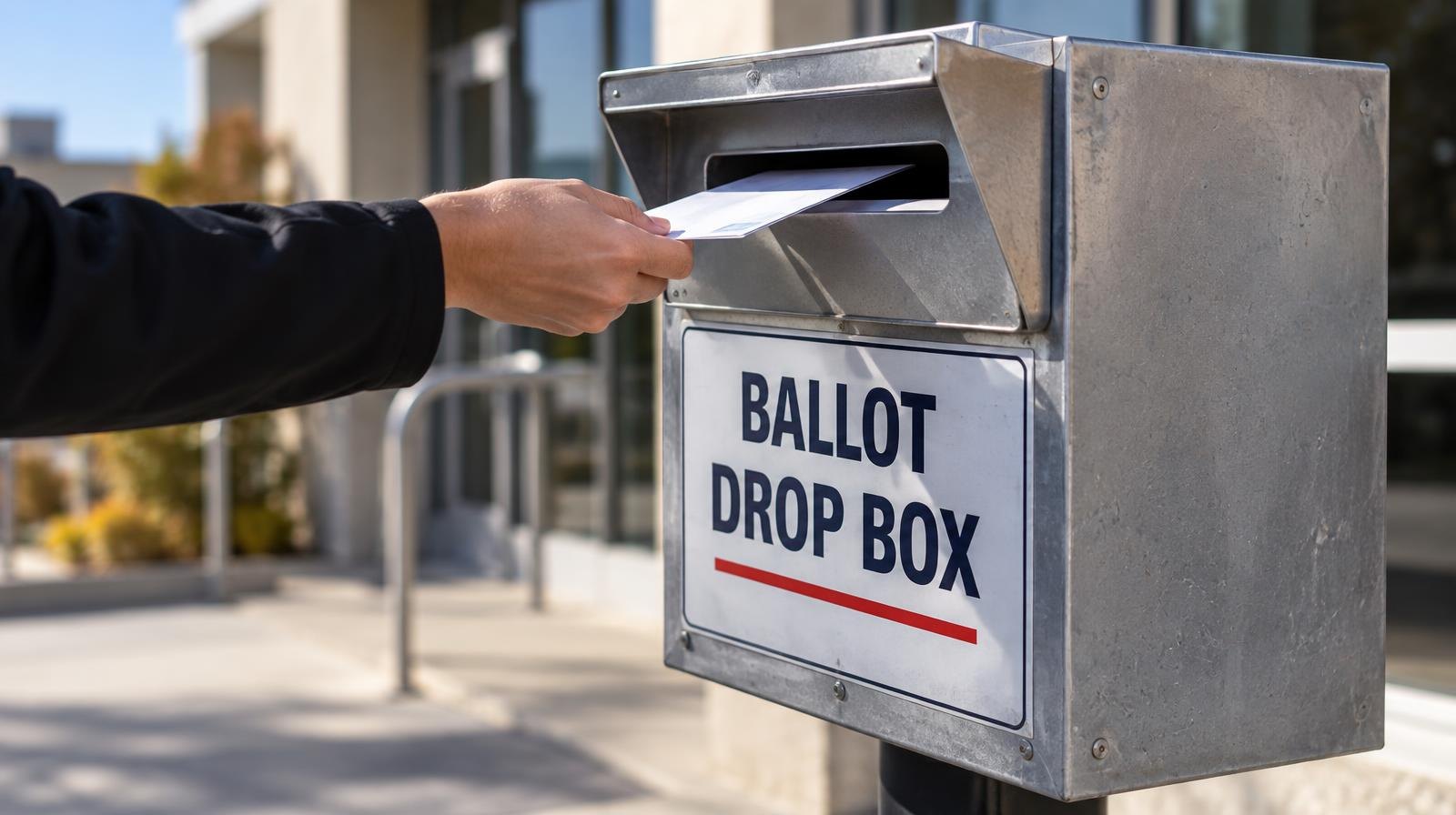
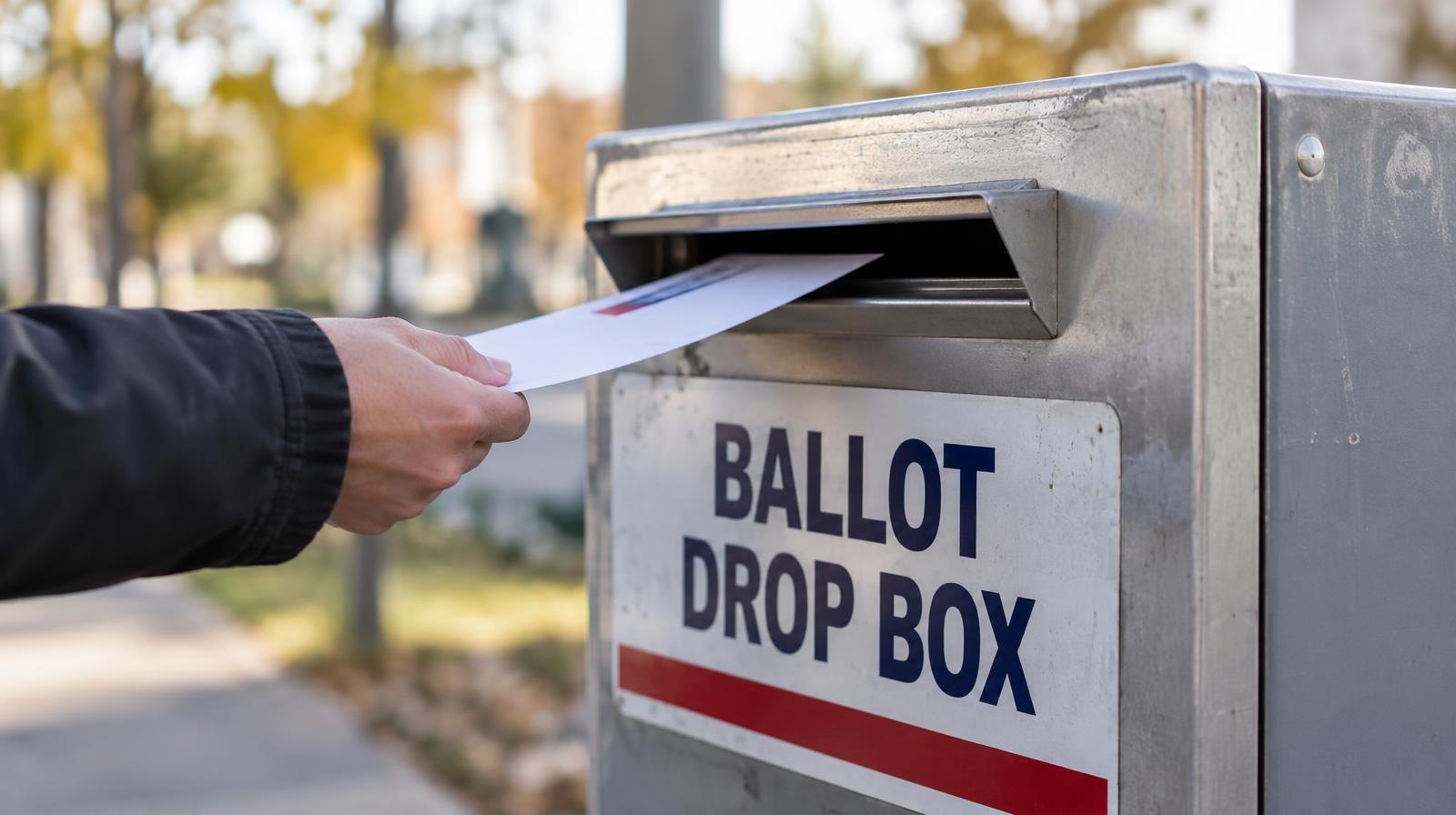
Mail ballots must be dropped in a drop box by 8 p.m. on Election Day, Tuesday, Nov. 3. Ballots returned by mail must be in the clerk's possession by 8 p.m. that day.
.webp)