More than 40,000 Utahns could lose Medicaid coverage starting Jan. 1, 2027, under new federal work requirements, and Sandy's own state representative warns the rule will strip healthcare from people with mental health conditions and those experiencing homelessness.
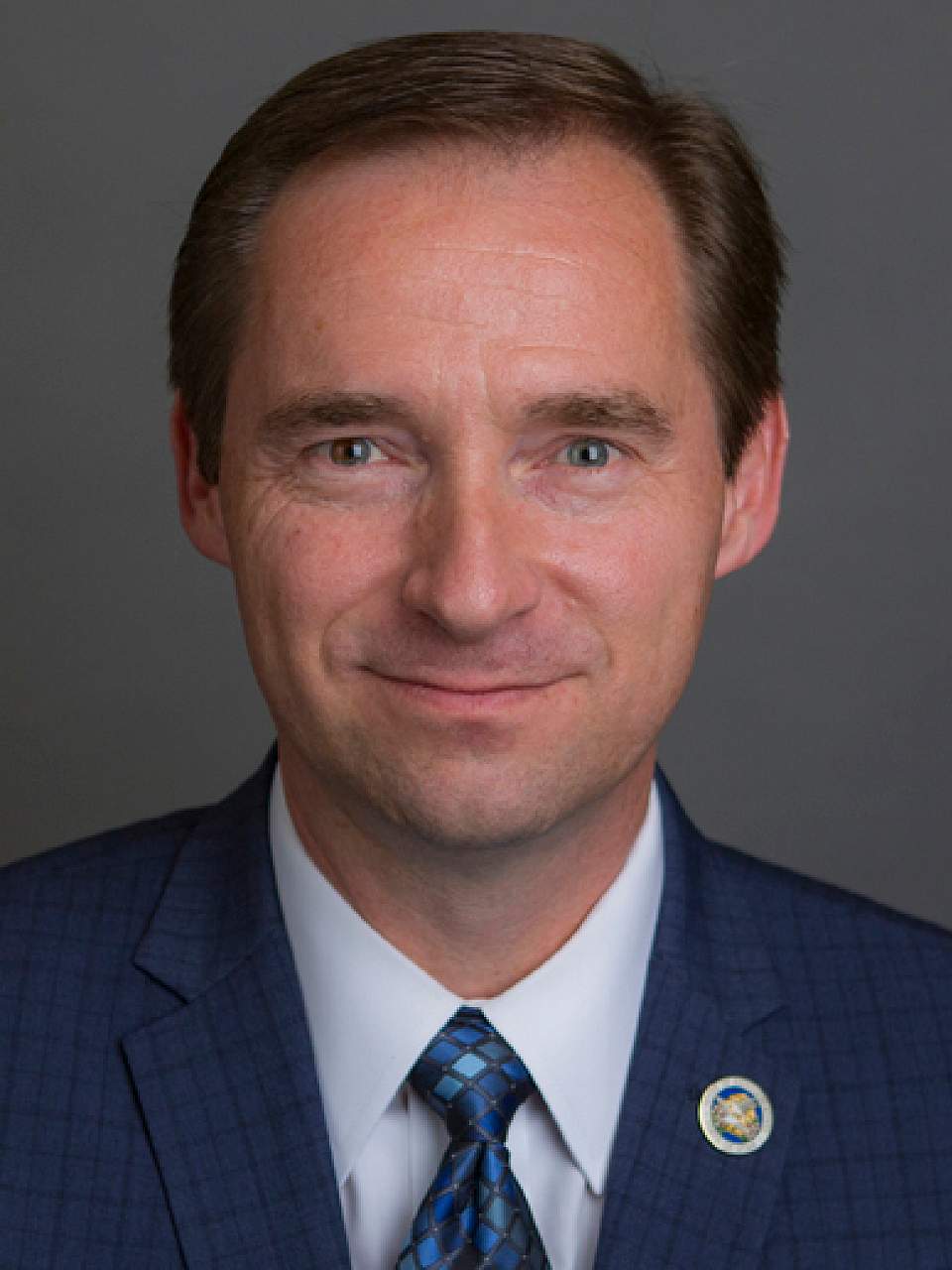
Rep. Steve Eliason, R-Sandy, works for University of Utah Health and leads The Road Home's board of trustees, a major homeless services organization. He told The Salt Lake Tribune he fears the rule will push already-struggling Utahns further from stability.
"I work with a lot of people in my private life that have other mental health issues that greatly limit their ability to hold employment," Eliason said. "And losing Medicaid is going to put them into the proverbial downward drift even further."
His concern puts him at odds with all six members of Utah's federal delegation, who voted for the "One Big, Beautiful Bill Act" signed by President Donald Trump on July 4, 2025. That law created the work requirement.
What the rule requires
Sandy-area residents who receive Medicaid through the Affordable Care Act expansion group, adults ages 19 to 64 with incomes up to 138% of the federal poverty level, must document at least 80 hours per month of work or qualifying activities, or earn at least $580 per month. Qualifying activities include employment, school, volunteering and participation in work programs.
Exemptions exist for pregnant individuals, primary caretakers of children under 14 and people deemed "medically frail." But the rule explicitly states that experiencing homelessness alone does not qualify someone for an exemption. States are still determining who counts as medically frail.
State prepares for enforcement
The Utah Department of Health and Human Services estimates the 40,000 figure but notes it is "subject to change." Utah Medicaid began mailing warning letters to members on July 15. The Utah Department of Workforce Services will begin enforcement in 2027.
Utah Medicaid Director Julie Ewing warned the Legislature's Health and Human Services Interim Committee that portions of the federal rule published in June 2026 are "causing states a lot of confusion," and that Utah could face "large federal disallowances" if the state is considered "too lenient or incorrectly applying policy," the Tribune reported.
The Legislature budgeted nearly $16.5 million to administer the new eligibility requirements, according to Utah News Dispatch. Both DHHS and the Department of Workforce Services will need to hire additional staff.
Earlier in 2026, the Legislature passed HB471, Social Services Amendments, codifying portions of the federal rules in state law. The bill's sponsor, Rep. Logan Monson, R-Blanding, said its intent was to protect Utah's federal funds by ensuring compliance.
Broader fallout
Utah's Targeted Adult Medicaid program, which provides 12 months of continuous coverage for chronically homeless adults, people involved in the justice system and those needing substance abuse or mental health treatment, is slated to end in July 2027. Two major law enforcement groups, the Utah Chiefs of Police Association and the Utah Sheriffs' Association, have come out against that change.
Salt Lake County Council member Suzanne Harrison, a medical doctor, said at the July 30 Protect Utah Medicaid Coalition news conference that the cuts will "saddle local governments and taxpayers with more costs, while making our citizens less healthy and our streets less safe."
What Sandy residents should do
The timeline is tight. Utah Medicaid is developing a self-screener and medical form for members but has not yet published them. Residents who receive Medicaid should watch for mailed notices and keep their contact information current with the state at medicaid.utah.gov. Additional outreach notices are expected statewide in September 2026, three months before the Jan. 1, 2027 enforcement date.
.webp)