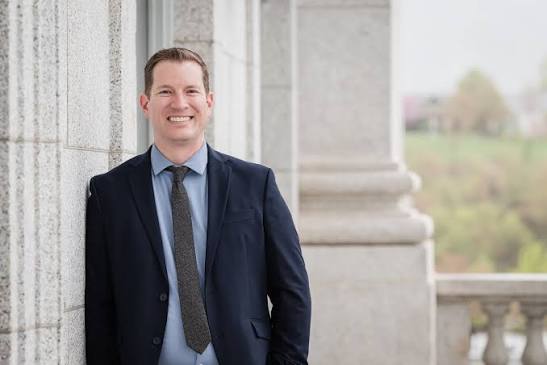
Sandy's state representative is pushing back against a constitutional amendment that would make it harder for voters to pass citizen-initiated tax measures.
State Rep. Andrew Stoddard, D-Sandy, said Amendment B creates an unfair double standard because the Utah Legislature can raise taxes with a simple majority while the amendment would require 60% voter approval for any citizen-initiated tax increase. Stoddard, who has represented Sandy since 2019, made his opposition public in comments first reported by the Deseret News on Tuesday, Oct. 6.
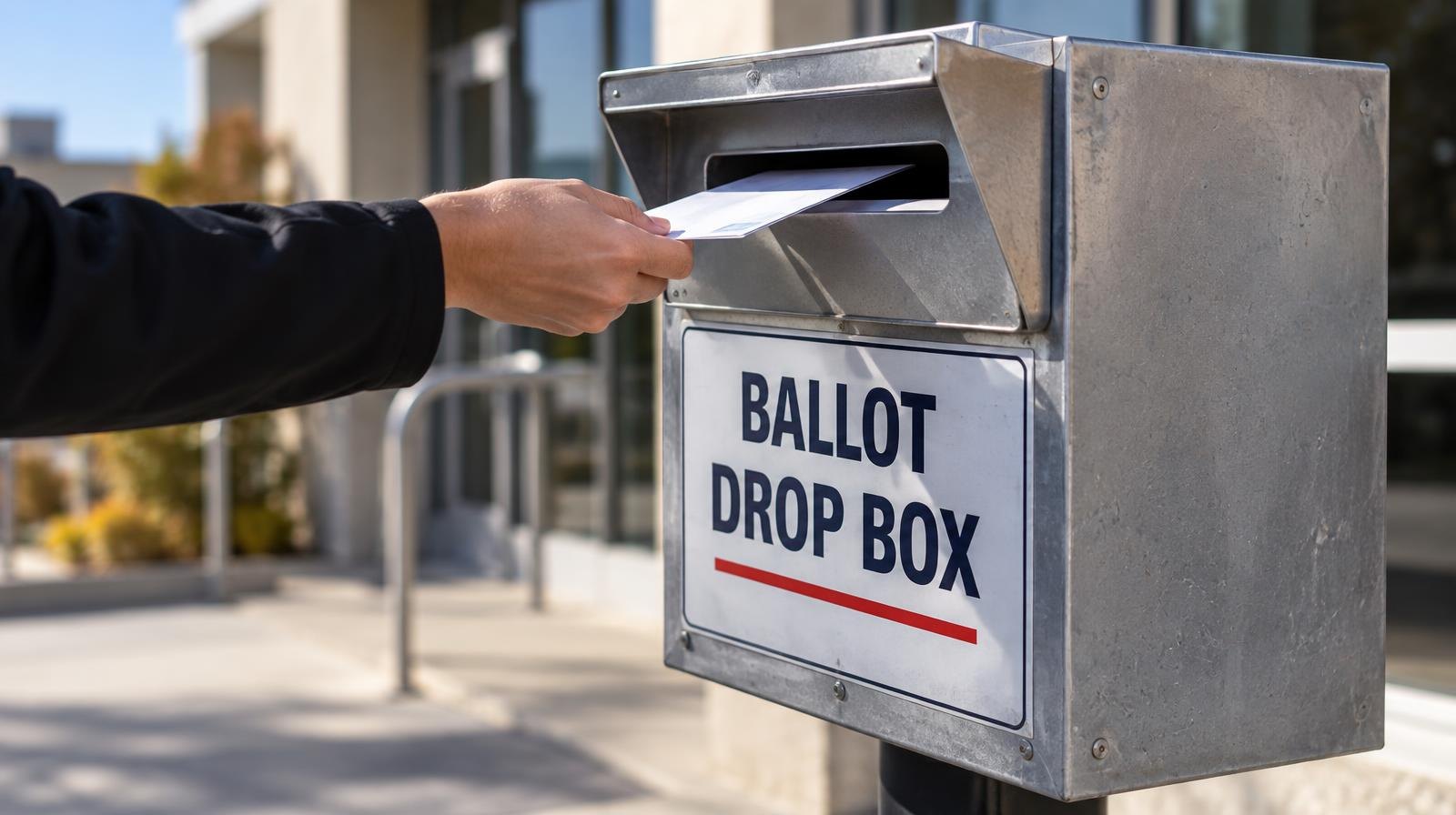
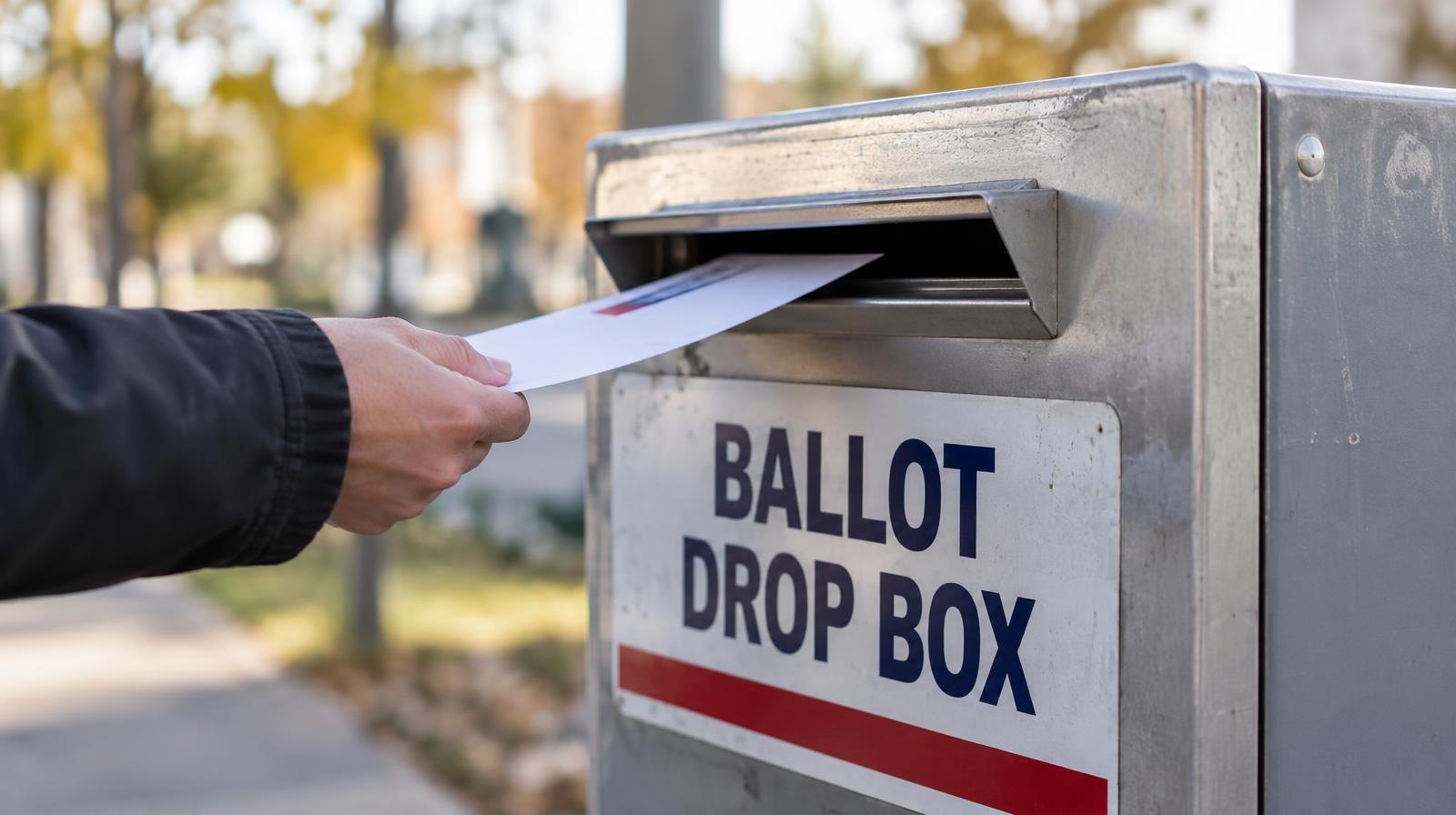
Ballots begin mailing Tuesday, Oct. 13, according to the 2026 Utah Voter Information Pamphlet. Election Day is Tuesday, Nov. 3.
Amendment B would change the Utah Constitution to require at least 60% voter approval for any citizen-proposed law that increases taxes, instead of the current simple majority. Sen. Lincoln Fillmore, R-South Jordan, introduced the measure on Jan. 21, 2025, as Senate Joint Resolution 2.
Fillmore called it a simple resolution, according to the Deseret News. "It asks the citizens of Utah to consider, 'How easy do you want it to be to raise taxes on your neighbors?'" he said.
In 2018, voters passed Proposition 3, which expanded Medicaid to about 150,000 Utahns, with 53.3% support. A citizen initiative legalizing medical marijuana passed the same year with 52.7%. Neither would have cleared a 60% bar. According to The Salt Lake Tribune, only two citizen initiatives in Utah's 125-year history have ever topped 60%.
Billy Hesterman, president of the Utah Taxpayers Association, said a supermajority requirement would ensure citizen-initiated tax changes have broad support. He and other backers argue the higher threshold protects families facing rising costs. The Kem C. Gardner Institute at the University of Utah has found that 91% of Utah renters cannot afford the median home.
Elizabeth Rasmussen, executive director of Utahns Protecting Our Constitution, said in a Sept. 28 statement that Amendment B "makes an unnecessary, permanent change to our Constitution, taking power away from citizens and giving politicians more control over the rules." Her group, run by Better Boundaries, had collected about $593,000 for its opposition campaign as of September, Utah News Dispatch reported.
The official "against" argument in the state voter pamphlet states the amendment "creates an unequal system where voters face stricter rules than the Legislature itself. Lawmakers can raise taxes with a simple majority."
A Noble Predictive Insights poll of 602 registered voters conducted Sept. 8–12 found 50% support Amendment B, 21% oppose it and 23% are unsure. The margin of error is plus or minus 3.99 percentage points.
The ballot also carries Amendment A, which would let legislators decide how proposed constitutional amendments are published, replacing the current requirement of two months' notice in newspapers in every county. Amendment A passed both chambers without opposition. It was prompted by the 2024 voiding of Amendment D, after courts found state leaders failed to meet the newspaper publication deadline.
Voters can register online or by mail through 5 p.m. Oct. 23, or in person through 8 p.m. on Election Day, Nov. 3. Details are at vote.utah.gov.
.webp)