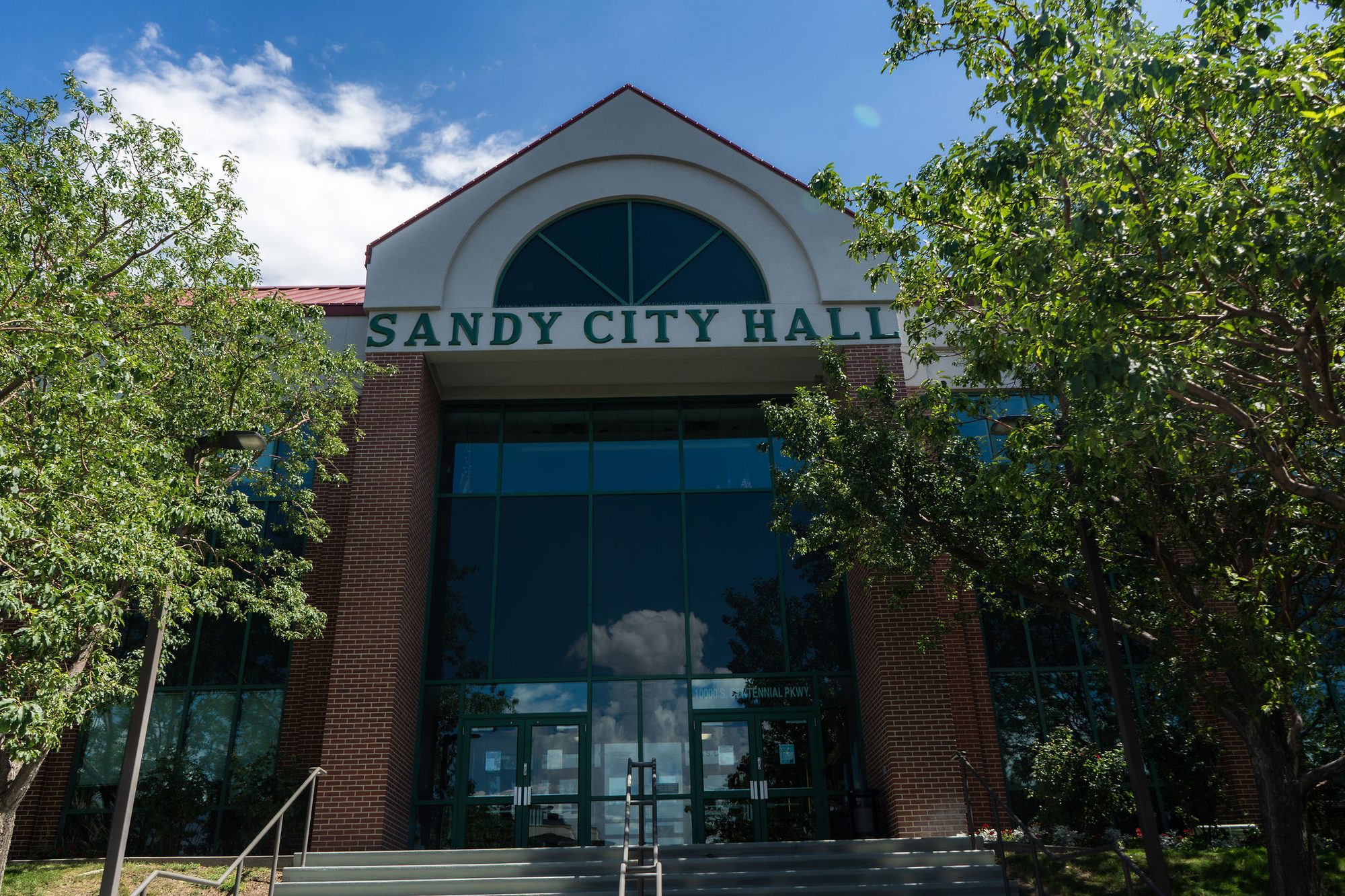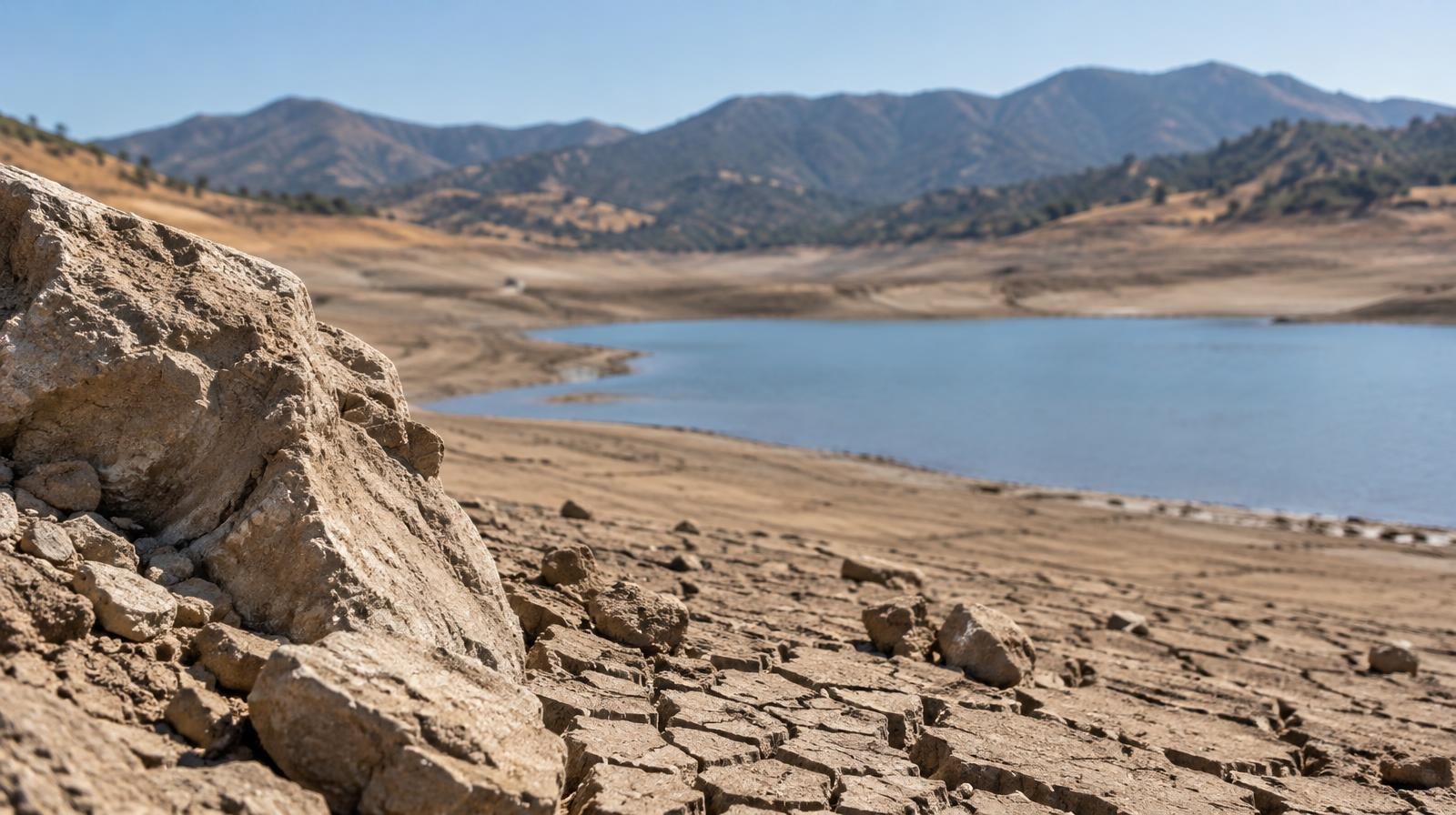
Sandy gets part of its water supply from the Colorado River Basin, and 2026 has been the worst year on record for that system's runoff into Utah. But the reservoir that buffers the Wasatch Front still holds about three-quarters of its capacity.
That's the picture from a joint KUER, Salt Lake Tribune and KSL investigation published Oct. 20, which traces how Colorado River water reaches taps in Sandy and other Wasatch Front cities through more than 100 miles of tunnels, pipelines and diversions.
The Provo River Water Users Association diverts water from the Duchesne River to the Provo River for farms in the Heber and Kamas areas and cities including Sandy and Orem, according to the investigation. Just over a quarter of the water used in Salt Lake, Utah and Wasatch counties comes from the Colorado River Basin, according to Utah State University data cited in the report.
Strawberry Reservoir, the largest in the Central Utah Project system at up to 1.1 million acre-feet of capacity, acts as the buffer. In a typical year, about 100,000 acre-feet of water flows through the project's collection system into the reservoir, Troy Ovard, area manager with the Central Utah Water Conservancy District, told KUER. In 2026, just over 37,000 acre-feet made it through.
That is roughly a third of normal.
"It's just a terrible, dry year," Jared Hansen, manager of the Central Utah Project, told KUER after 36 years working on the system. "Worst of my career by far."
Hansen said the reservoir was enlarged to cover drought cycles, even though a year this bad was not anticipated. The district has been banking water in Strawberry, which is why it remains around three-quarters full despite the historically low inflow. The Central Utah Project serves between 1.5 and 2 million people across the Wasatch Front, depending on the year, he said.
New pipelines, old canal
The investigation also details infrastructure projects expanding and protecting the system.
The district completed a four-mile pipeline in southern Utah County during the summer of 2026. It was the final piece of the Central Utah Project, and it now delivers Colorado River water to Santaquin and Salem for the first time.
Next, the district and its partners plan to enclose the High Line Canal, which has carried Colorado River water across Utah County since 1917. Brad Perkins, senior engineer with the district, told KUER the open canal loses more than a sixth of its water to evaporation and seepage. Enclosing it would save enough water to supply roughly 12,000 to 15,000 single-family homes. Another planned pipeline would extend the project's reach to Nephi in Juab County.
What curtailment would mean for Sandy
The Central Utah Project holds a 1964 water right, making it a relatively junior user on the Colorado River. If Upper Basin states face curtailment through litigation or a dispute resolution process over the Colorado River Compact, the district may have to let water flow toward Lake Powell instead of diverting it west.
Amy Haas, director of the Colorado River Authority of Utah, said at the Colorado River Water Users Association conference in 2025 that curtailment of the Central Utah Project would be "hugely disruptive, if not catastrophic" to the Wasatch Front.
Ovard told KUER the district has always been able to deliver its full water right so far. If sustained drought drains the reservoirs, the district would reduce deliveries rather than run them dry, he said.
Seven states continue to negotiate over the Colorado River's shrinking supply. All the transbasin diversions combined moved about 165,000 acre-feet to the Great Basin in 2024, about 15% of Utah's total Colorado River consumption that year, according to Upper Colorado River Commission data cited in the investigation.