Salt Lake County's first human West Nile virus case of 2026 arrived alongside a dramatic spike in infected mosquitoes, a combination that should put Sandy residents on alert before their next evening at Dimple Dell Regional Park or the Sandy Amphitheater.
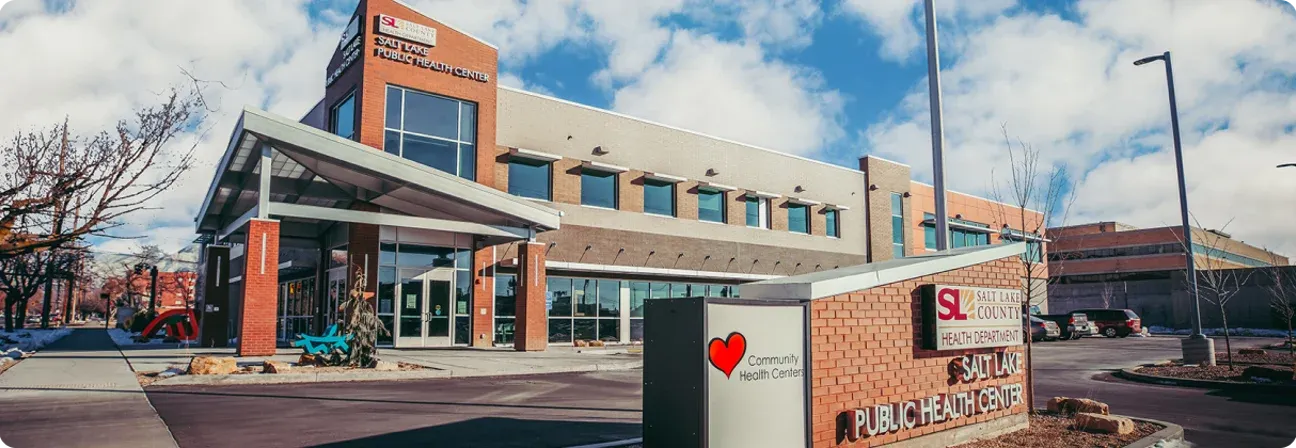
The Salt Lake County Health Department confirmed the case Thursday, July 30, identifying the patient as an adult county resident expected to make a full recovery. It is the second confirmed human case in Utah this year; the Bear River Health Department reported the first in late June.
The surveillance numbers tell the bigger story. Three Salt Lake County mosquito abatement districts have detected the virus in 86 mosquito samples countywide. Statewide, 296 samples have tested positive, according to ABC4. At this point in 2025, only 39 samples had tested positive across Utah. In 2024, just 18.
The health department stressed that mosquitoes can travel several miles, so every county resident should take precautions regardless of whether positive samples have been found nearby.
What Sandy residents should do
The department's recommended precautions, reported by KUTV, target the hours when mosquitoes are most active, dusk through dark:
- Use EPA-registered repellent containing DEET, picaridin, IR3535, or oil of lemon eucalyptus.
- Wear long sleeves and pants after dusk.
- Drain standing water from yards: old tires, potted plant trays, pet dishes, buckets.
- Keep gutters clear of debris.
- Cut weeds and tall grass short. Adult mosquitoes rest in shady spots during hot daylight hours.
- Check door and window screens for holes.
Why this year is different
Last year, 49 Utahns contracted West Nile virus. Thirty-nine developed the neuroinvasive form of the disease, and four died. Because only 20–30% of infected people show any symptoms, actual infection rates are likely higher than reported numbers suggest, according to Fox 13.
Symptoms appear within two to 14 days of a bite and range from mild fever and body aches to high fever, neck stiffness, disorientation, and muscle weakness in severe cases. Less than 1% of infections lead to the neuroinvasive form. There is no vaccine or specific treatment.
Mosquito season continues until the first hard freeze. Residents can find their local mosquito abatement district at umaa.org/districts, which also provides information on stocking garden ponds with mosquito-eating fish. With 296 positive samples already on the books, the health department's message is clear: the risk window is open and widening.


.png)
.png)