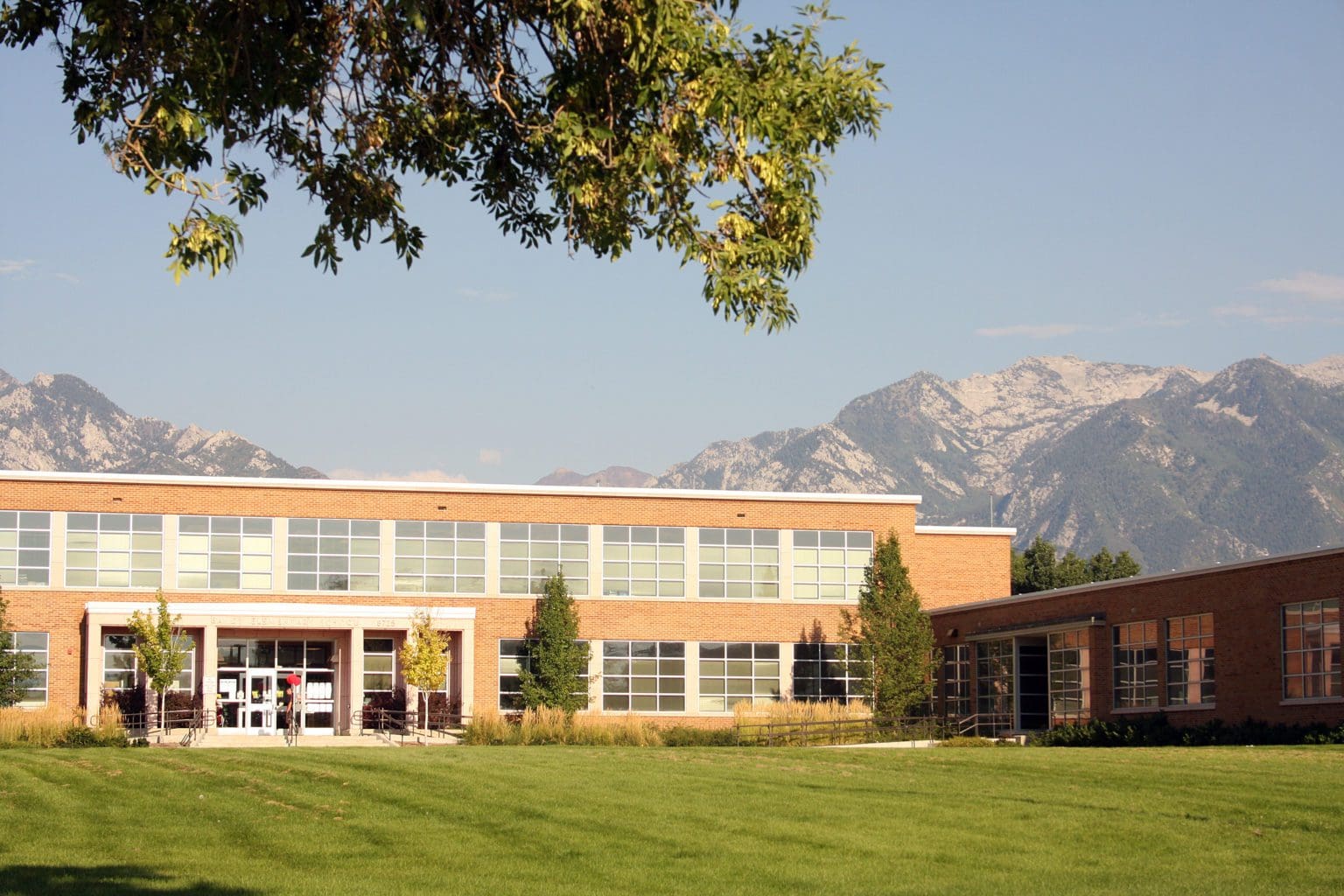
A new state law will eventually pull screens out of kindergarten through third-grade classrooms at Sandy Elementary, Ridgecrest, East Sandy and every other Canyons District elementary school. But parents shouldn't expect the change when classes resume next month.
Gov. Spencer Cox signed H.B. 273, the Classroom Technology Amendments, in March 2026, and the law took effect Tuesday, July 1. Its classroom provisions won't be enforced, however, until the Utah State Board of Education drafts a model policy that districts must follow. That policy is due by the end of calendar year 2026, and when enforcement actually begins in classrooms remains unclear, according to NPR reporting on the law.
What the law requires
H.B. 273 bans all classroom screen time for students in kindergarten through third grade, with exceptions only for computer science instruction and state assessments. Students in those grades are also prohibited from taking school-issued devices home. The law eliminates one-device-per-student ratios in all elementary buildings statewide.
"We're not anti-technology," bill sponsor Rep. Ariel Defay said in a May statement. "We just want to ensure that education technology is used intentionally and actually helps students to learn."
For older students, the law changes device policies too. Middle schoolers in Canyons District will need a parent opt-in before taking school-issued devices home. High school students at Alta, Hillcrest and Jordan can still bring devices home unless a parent opts out.
Local impact
Canyons District enrolled 12,813 elementary students in the 2025-26 school year, according to district enrollment records. All of them will fall under the new restrictions once the state board's model policy is finalized.
The district has not publicly announced how or when it will update classroom technology policies to comply with the law.
"We're trying to help kids build healthier habits with technology," Cox said at a May press conference. "We're not going to get this exactly right on the first try, but we're certainly moving in the right direction."
How Utah compares to other states
Utah is one of at least six states that approved screen-time legislation in 2026, according to Education Week's Market Brief, published in July. Iowa took a different tack, capping digital instruction at 60 minutes per day for K-5 students rather than banning screens outright. Tennessee requires every K-5 district to adopt an age-appropriate device policy. Alabama set screen time standards for childcare, pre-K and kindergarten programs.
Tracy Weeks, senior director of education policy at Instructure, an ed-tech company that sells classroom software used by about 30% of K-12 students nationally, told Stateline on Wednesday, July 23, that "the policy focus has been on minutes, and that's the wrong conversation to be having, because not all minutes are created equal."
What to watch
Back-to-school registration for the 2026-27 school year opens Monday, August 3, at 8:30 a.m. Families looking for updates on how H.B. 273 will reshape their children's school day should watch for Canyons board agendas this fall as the state board finalizes its model policy.



.png)
.png)