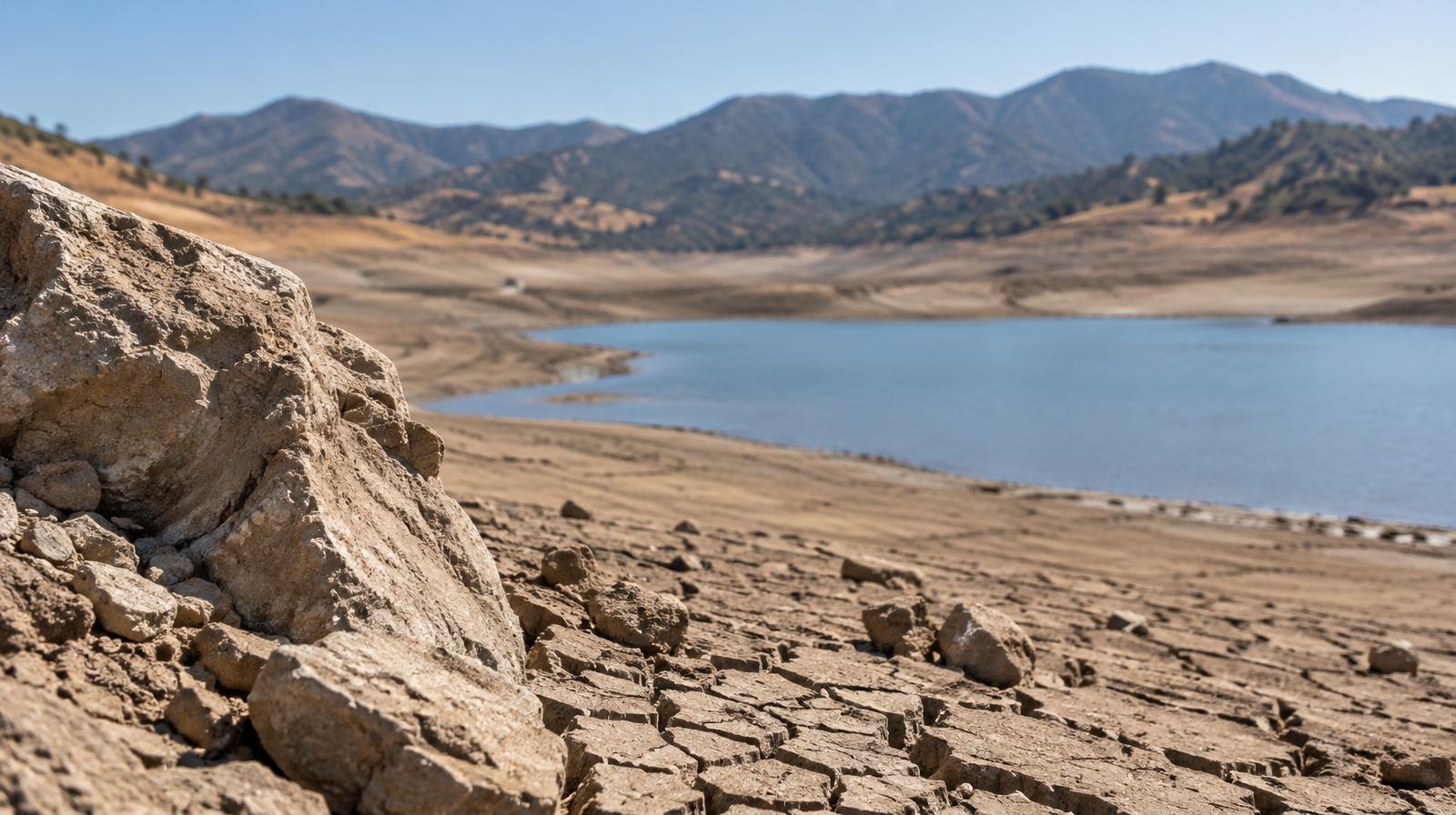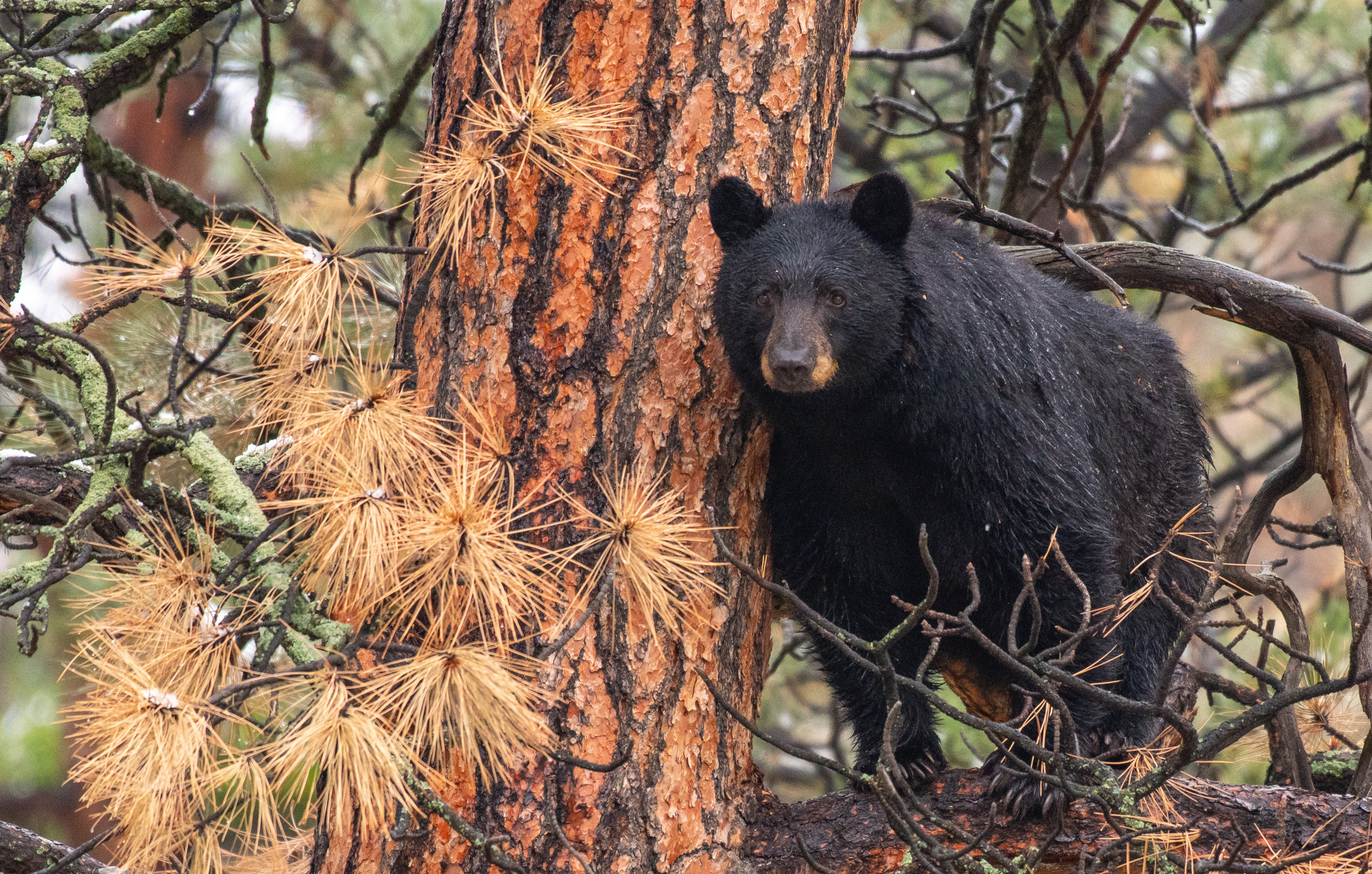
Utah wildlife officials killed 39 black bears as of Aug. 26, more than the previous three years combined, as a historic drought strips the mountains of food and drives hungry bears into populated areas across the state.
The Utah Division of Wildlife Resources (DWR) had responded to 168 bear incidents statewide as of Aug. 25, ABC4 reported. That is double the 83 responses logged in all of 2025. The 39 euthanized bears far exceed last year's full-year total of 24.
The surge has reached the canyons Sandy residents hike. A black bear was spotted Aug. 22 climbing a tree and eating leaves near the Lake Blanche Trailhead parking lot in Big Cottonwood Canyon, according to the Cottonwood Heights-Holladay Times. Bear sightings were also reported in Provo, Springville, Payson, Logan, Spanish Fork and Moab in the days before that encounter.
"It's not a good year to be a bear," DWR game mammals coordinator Chad Wilson told the Daily Herald on Aug. 18. "This is for sure not a normal year."
Why bears are coming down
Warm spring weather followed by several hard freezes led into one of Utah's worst drought seasons, according to the DWR. Across the Upper Colorado River Basin spanning Wyoming, Colorado, Utah and New Mexico, the 2026 snowpack was the worst on record, the Associated Press reported.
Berries, acorns and other vegetation make up 90% of a black bear's diet. With those food sources damaged, bears have moved to lower elevations searching for anything to eat. Wilson told the Deseret News on Aug. 27 that 2026 has produced the highest number of bears in Utah cities on record.
Utah's bear population is also larger than it was 30 years ago, and residential development continues to push into canyon and foothill habitat, according to the DWR.
Why not relocate?
DWR spokesperson Faith Jolley told ABC4 on Sept. 8 that euthanizing a bear is "not a decision we make lightly." The agency's policy requires it when a bear attacks a person, acts aggressively, shows little fear of humans, repeatedly returns to populated areas or causes significant property damage.
Relocation often fails. In May, DWR biologists captured a bear in Park City and moved it to the Avintaquin Mountain area. By August, the same bear turned up in Provo Canyon's Vivian Park community, nearly 75 miles away.
Utah has no certified wildlife rehabilitators equipped to house bears, and zoos have limited capacity, according to the DWR.
What Sandy-area residents should do
The DWR urges residents along the Wasatch Front to reduce attractants around their homes:
- Store trash in a garage or bear-proof container. Put cans out the morning of pickup, not the night before.
- Remove bird feeders and secure fruit trees, compost piles, beehives, pet food and barbecue grills.
- Report any bear spotted within city limits or in a heavily populated area. Bears in foothills or canyons should be reported only if they are aggressive or getting into trash or property.
If you encounter a bear, the DWR advises: stand your ground, do not run or climb a tree, and fight back if attacked.
No attacks on people had been reported statewide as of Aug. 18, according to Wilson. More bear safety information is available at wildawareutah.org/wildlife/bears.

.png)