A powerful veterinary tranquilizer that naloxone cannot reverse has been detected in Utah's illicit drug supply for the first time, state officials announced July 23.
The Utah Department of Public Safety said ongoing drug surveillance identified medetomidine, a synthetic sedative used on animals that is not approved for human use. DPS described the substance as 100 to 200 times more potent than similar veterinary sedatives. The Utah Opioid Task Force said it is substantially more potent than xylazine, another animal tranquilizer previously found in street drugs.
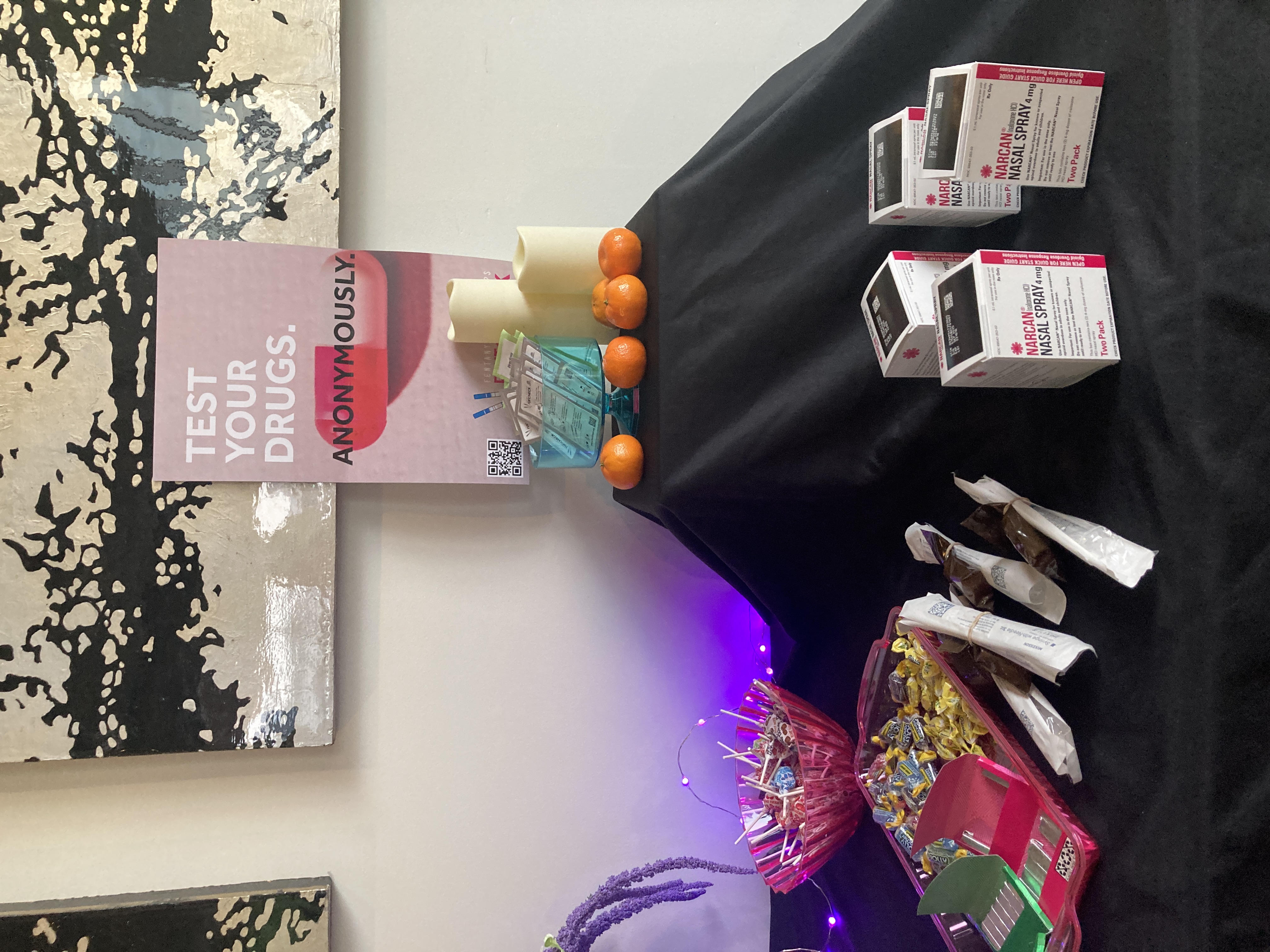
The critical distinction for anyone who carries Narcan: medetomidine is not an opioid, so naloxone won't counter its effects. But because dealers frequently mix it with fentanyl, naloxone still matters and should still be administered.
First detection in Utah
Dr. Jen Plumb, a Utah state senator who works with Utah Naloxone, said law enforcement testing and the state medical examiner's office had only started picking up the substance in the past week or two as of July 23.
"They, in the last week or two, have started to pick it up, which is a first for us," Plumb said.
Medetomidine was first detected in U.S. street drugs in 2022. By 2024, it was linked to spikes in overdoses in Philadelphia, Pittsburgh, and Chicago, according to the Utah Opioid Task Force. It has since spread nationwide, with the highest overdose rates in the Northeast and Midwest.
What makes it different
Plumb described a scenario first responders and bystanders may encounter: a person overdoses, receives naloxone, and starts breathing again because the opioid component is reversed. But they don't wake up. The medetomidine sedation remains active.
That's different from a typical opioid-only overdose, where naloxone usually brings the person back to consciousness.
Plumb stressed that naloxone will never harm someone, even if the overdose isn't opioid-related, and should always be given when an overdose is suspected.
What to do
The Utah Department of Public Safety said the response protocol remains the same regardless of what substance is involved:
- Call 911 immediately
- Administer naloxone if available
- Support breathing with rescue breaths or chest compressions
- Stay with the person until help arrives
The Utah Department of Health and Human Services lists these general signs of a potential overdose: small, pinpoint pupils; shallow or stopped breathing; blue or purple fingernails and lips; faint heartbeat; gurgling or choking noise; and a limp body with inability to wake up.
Broader context
Nationally, U.S. drug overdose deaths fell nearly 27% in 2024, dropping from more than 110,000 to an estimated 80,391, according to CDC figures. Deaths involving synthetic opioids like fentanyl declined nearly 37%. Utah-specific figures for 2024 were not included in the announcement.
Residents can find more information on opioids and overdose prevention at opidemic.utah.gov, the state's opioid information portal.

.png)