Sandy households setting their clocks back an hour Sunday, Nov. 1, have one more task on the list: check every smoke alarm in the house.
The American Red Cross of Utah is pushing its annual "Fall Back, Stay Safe" campaign as daylight saving time ends, ABC4 reported. The organization says the seasonal clock change is an easy reminder to test alarms and swap out old batteries.
The push carries local weight. Two Sandy residents were injured in an early-morning house fire on Aug. 3, according to Gephardt Daily. Sandy City Fire Department crews found smoke and flames on arrival. Both occupants escaped but sustained burn injuries and were taken to local hospitals, a Sandy City Fire Department statement said.
The cause was undetermined.
Through late October, Red Cross volunteers had responded to 139 home fires across Utah and provided assistance to 696 residents, according to ABC4. In 2025, statewide volunteers responded to 155 home fires and helped 729 people. Since 2020, volunteers have responded to 1,146 home fires statewide and assisted 5,307 people.
The risk climbs as temperatures drop. Nationwide, the Red Cross responds to nearly 20% more home fires during November and December than in other months, according to the organization. The Red Cross says increased cooking, heating and holiday decorating all raise the danger during that stretch.
Michael Smauldon, executive director of the American Red Cross Northern Utah Chapter, stressed the narrow window families face in an emergency.
"When a fire starts in a home, families may have less than 2 minutes to escape," Smauldon said, according to ABC4. "Working smoke alarms can make all the difference."
The National Fire Protection Association (NFPA) says working smoke alarms can reduce the risk of dying in a home fire by about 60%, ABC4 reported. Yet about 20% of homes with smoke alarms have devices that do not work, according to the National Institute of Standards and Technology (NIST). Another 4% of homes lack smoke alarms entirely.
Three out of five home fire deaths occur in homes without working smoke alarms, according to NFPA data cited by ABC4.
What to do
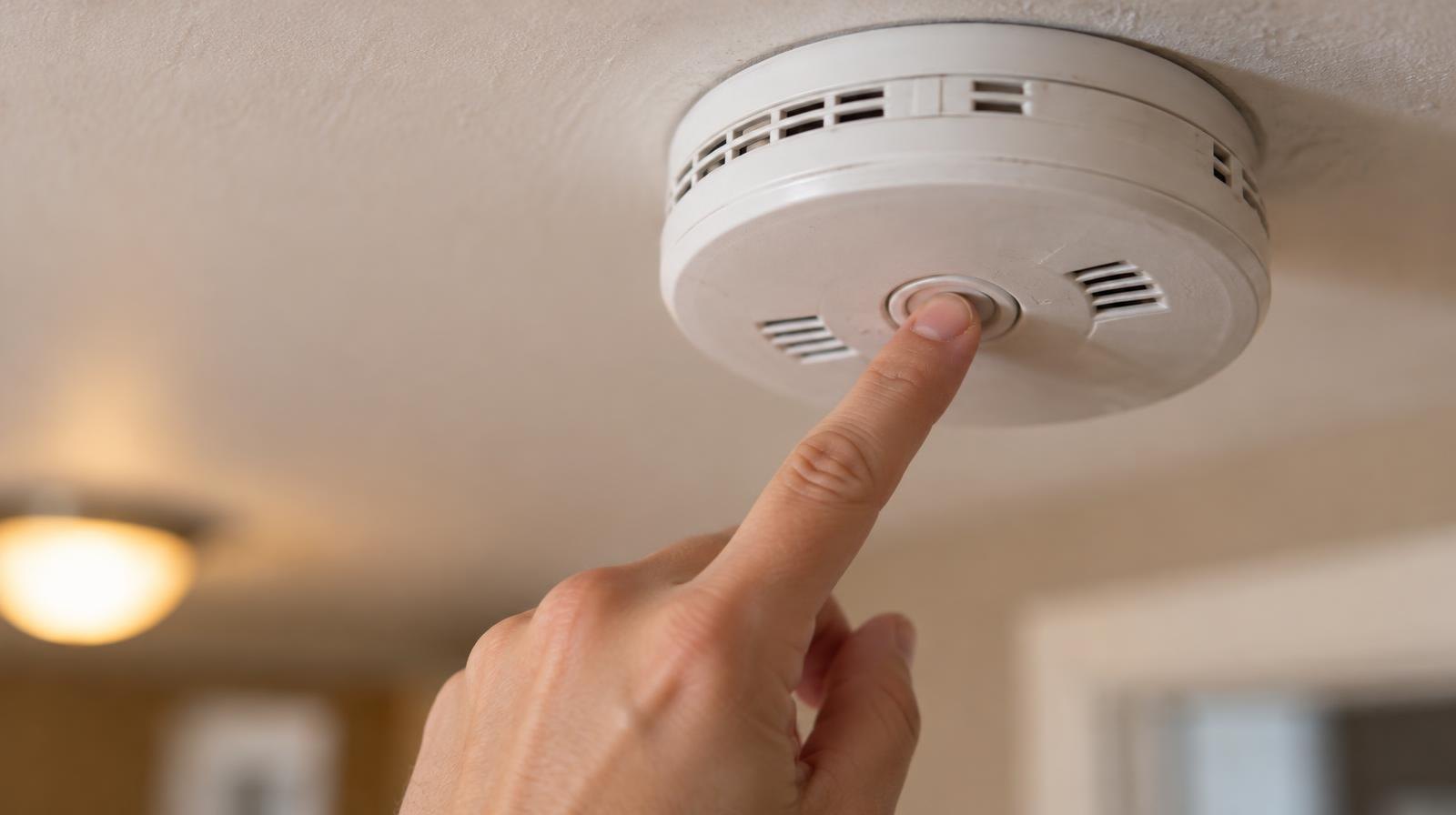
The Red Cross recommends pressing the test button on every smoke alarm monthly. Batteries should be replaced every six months, except in sealed 10-year units. The entire alarm unit should be replaced every 10 years, based on the manufacture date printed on the back.
Alarms should be installed on every level of the home, inside bedrooms and outside sleeping areas. The organization also advises households to create an evacuation plan with two exits from every room and practice it at least twice a year.
Free alarms available
Residents who need working smoke alarms can get them at no cost. Red Cross volunteers will install up to three smoke alarms per home, according to KSL. The organization also offers specialized alert devices, including bed shakers, for people who are deaf or hard of hearing.
To schedule an installation, call 1-800-733-2767 or visit SoundTheAlarm.org/Utah.