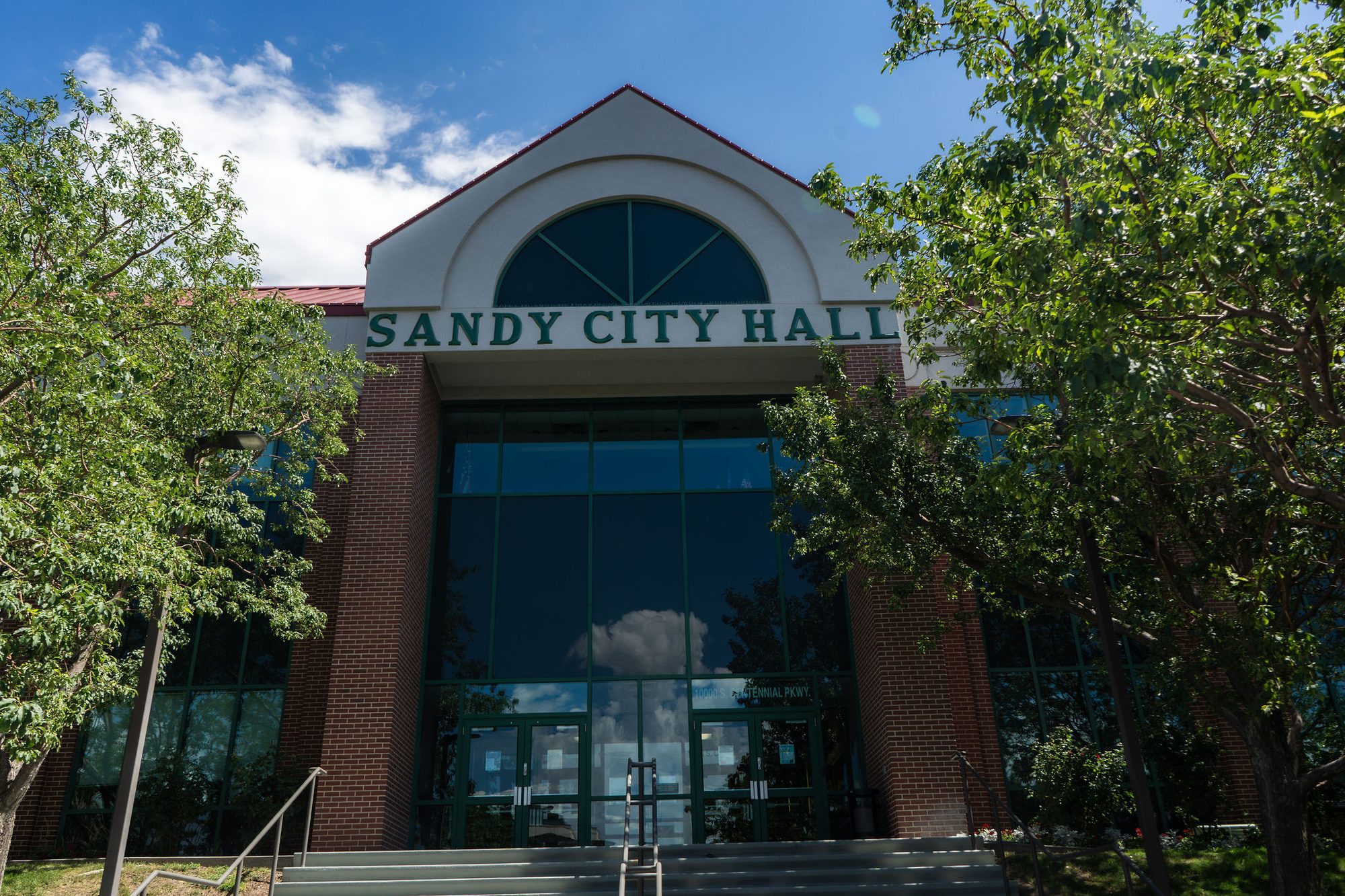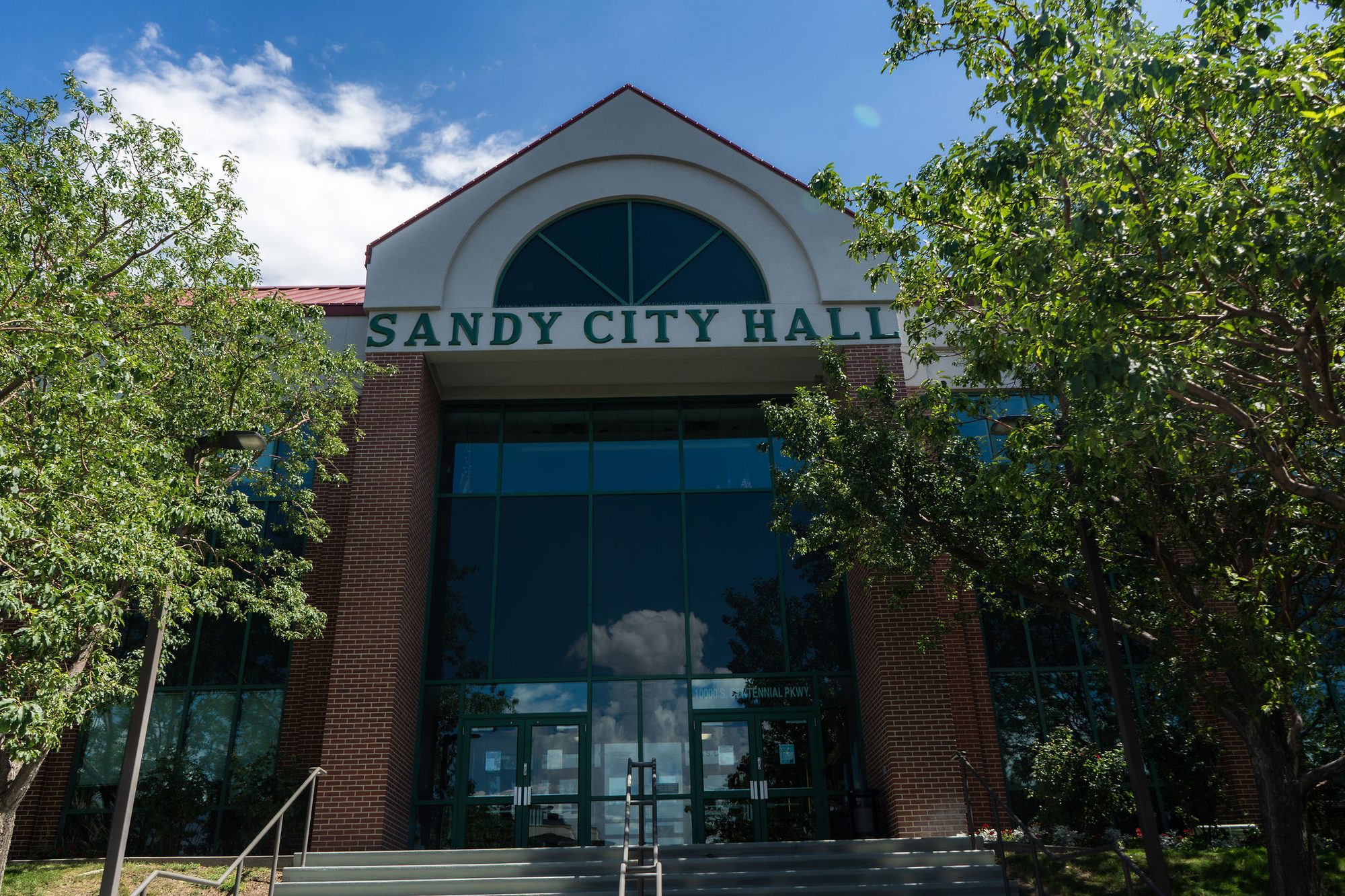
Sandy residents turn on a tap and Colorado River water flows out. A new investigative report documents what communities in eastern Utah gave up to make that possible.
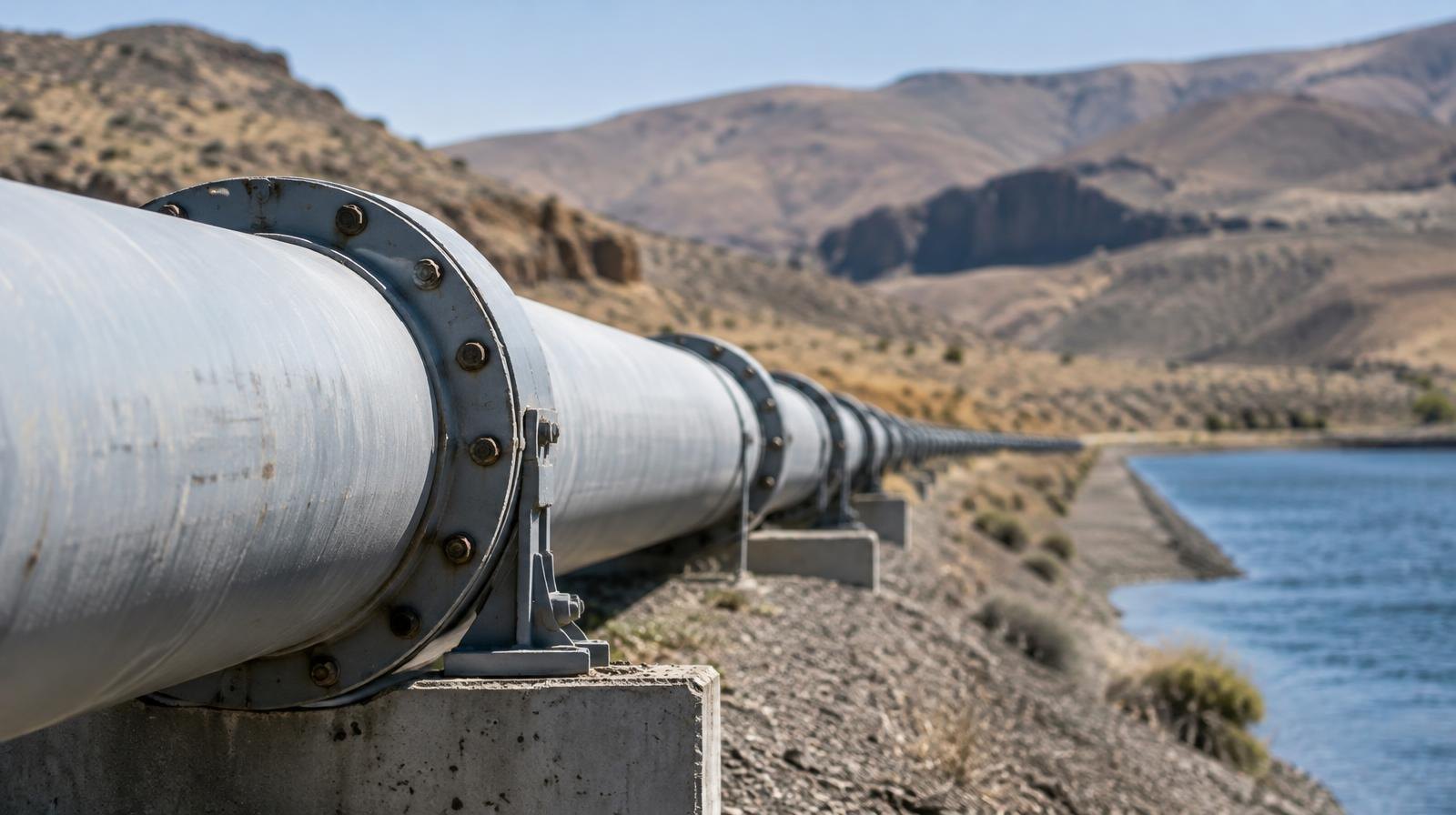
The Central Utah Project (CUP), a federal system of dams, tunnels and pipelines, diverts water from the Colorado River Basin in eastern Utah to Wasatch Front cities including Sandy, KUER first reported as part of a joint investigation with The Salt Lake Tribune and KSL published Oct. 22.
The project helped fuel the Wasatch Front's growth. But the investigation found that reservoirs promised to Duchesne County farmers and the Ute Indian Tribe were never built, leaving decades of broken commitments and ongoing legal fights.
A deal the tribe says was never honored
To secure water for the Wasatch Front, the federal government struck a 1965 agreement with the Ute Indian Tribe. The tribe agreed to delay developing some of its water rights and not interfere with CUP construction. In return, the agreement set a 40-year deadline for completing additional reservoirs that would store water for the tribe, KUER reported.
A 1968 federal law called for a plan for a "Ute Indian unit" of the project by the end of 1974. That unit was never built.
Forrest S. Cuch, a member of the Ute Indian Tribe and former director of the Utah Division of Indian Affairs, told KUER the project took the tribe's water and piped it to the Wasatch Front. "The state just robbed us of both our land and water," Cuch said.
The Bureau of Reclamation built Bottle Hollow reservoir on the Uintah and Ouray Reservation in 1971 to replace lost fisheries. But that reservoir has largely failed due to water supply and contamination issues, according to complaints the tribe filed.
Congress canceled the reservoir plans
Congress passed the Central Utah Project Completion Act (CUPCA) in 1992. That law officially ended the proposed reservoirs for the tribe. It allocated nearly $200 million to the tribe for a development fund, a farming operation and wildlife facility improvements.
The law also funded Wasatch Front infrastructure and set aside money to improve irrigation canals in the Uintah Basin.
Legal battles have continued. Courts have repeatedly dismissed the tribe's claims, finding the lawsuits were filed after the statute of limitations had passed, according to court rulings cited by KUER. The tribe filed an appeal to the 10th Circuit Court of Appeals in late September, and another case continues in the U.S. Court of Federal Claims.
Duchesne County farmers split on the project
Some Duchesne County farmers benefit from Starvation Reservoir, one of the first CUP facilities built to compensate for diverted water. Troy Ovard, area manager with the Central Utah Water Conservancy District, told KUER that all Duchesne-area farmers receiving CUP water have gotten their full water rights since the project was completed.
But farmers in areas where planned reservoirs were never built still carry hard feelings. Trent Potter, a Duchesne County farmer, told KUER the project stirs resentment among basin residents. Ovard acknowledged he has heard local farmers accuse the project of stealing their water.
The CUP is the infrastructure backbone that moves Colorado River water across the Wasatch Mountains to taps and sprinklers in Sandy and across the Wasatch Front. The tribe's appeal to the 10th Circuit remains pending.