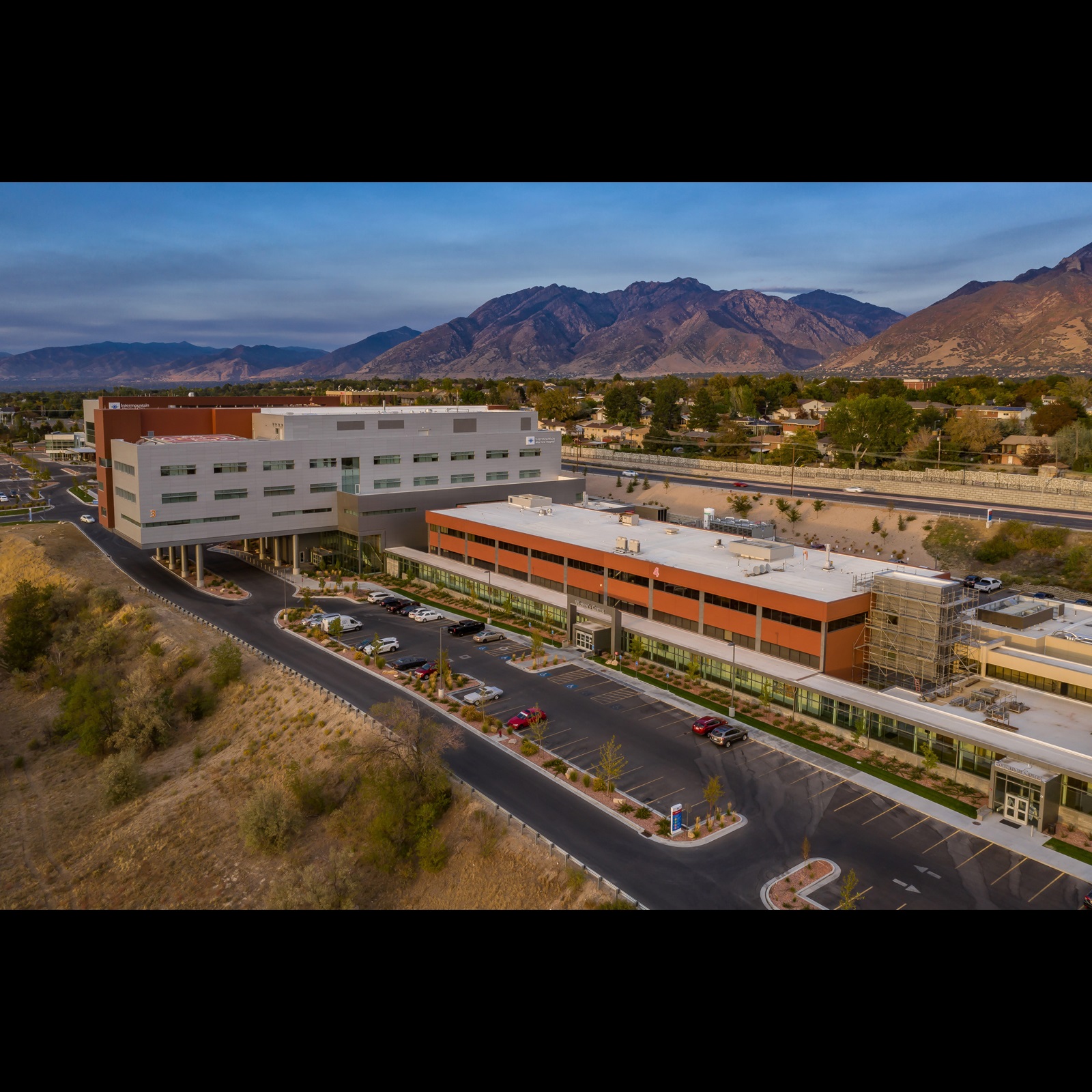
Sandy residents facing a mental health crisis can walk into Intermountain Alta View Hospital for immediate help without an appointment.
The Behavioral Health Access Center at 9660 South 1300 East operates like an emergency room for behavioral health. Patients receive a medical exam, a mental health evaluation and a meeting with a licensed crisis worker. Every patient is seen by a psychiatrist. Most leave with a follow-up appointment within four to six days. The center serves adults 18 and older, and after 7:30 p.m., crisis services shift to the hospital's Emergency Department on the same campus. The phone number is (801) 501-4555.
The center is part of a 56-bed Behavioral Health Center that opened in June at the Sandy hospital. The facility doubled Intermountain Health's behavioral health bed count and added a specialized medical withdrawal management program and a Maternal Mental Health Unit, described as the first of its kind in Utah. Scott Roberson, president of Intermountain Alta View Hospital, said in a statement that the center reduces travel barriers and expands timely access to expert care for families in the community.
September is Suicide Prevention Month, and Clint Thurgood, Intermountain Health's director of crisis services, told Fox 13 on Thursday, Sept. 10, that one direct question can open the door to helping someone in danger.
"Are you having thoughts of suicide?" Thurgood said people should ask. "Asking the question does not encourage suicide or plant an idea, but it often opens the doorway."
Thurgood identified three risk factors to watch for: changes in physical health, changes in finances and changes in relationships. He said the decision to attempt suicide is often made within minutes. That makes creating time and distance between a person in crisis and anything they could use for self-harm critical. In Utah, that often means temporarily removing firearms from the home or storing them so they are inaccessible during a crisis, Thurgood said.
He also urged people to push back against stigma around clinical depression and medication, saying treatment can be an important part of recovery.
Roughly 700,000 adults in Utah live with a mental health condition, and one in 20 have serious thoughts of suicide each year, according to the National Alliance on Mental Illness (NAMI). Calls to the 988 Suicide and Crisis Lifeline from Utahns reached nearly 115,000 last fiscal year, a 25 percent increase over the prior year, Utah Business reported Sept. 3.
Intermountain Health also operates walk-in behavioral health access centers at McKay-Dee Hospital in Ogden, LDS Hospital in Salt Lake City and St. George Regional Hospital.
If you are having suicidal thoughts, call or text 988 to reach the 988 Suicide & Crisis Lifeline.



.png)
.png)